

Accelerated Resolution Therapy, or ART, is an evidence-based trauma therapy that helps people process painful memories, emotions, and physical symptoms in a safe, structured way. ART draws on proven techniques from Cognitive Behavioral Therapy (CBT), Eye Movement Desensitization and Reprocessing (EMDR), and guided imagery, combined into a therapy model built for fast, lasting relief from trauma, anxiety, depression, grief, and other emotional struggles.
What Makes ART Therapy Different
One of the biggest reasons people choose ART therapy is that you don’t have to describe your trauma out loud. This makes ART a private and manageable option for anyone who has been through trauma or a painful life event but isn’t ready, or doesn’t want, to talk through every detail.
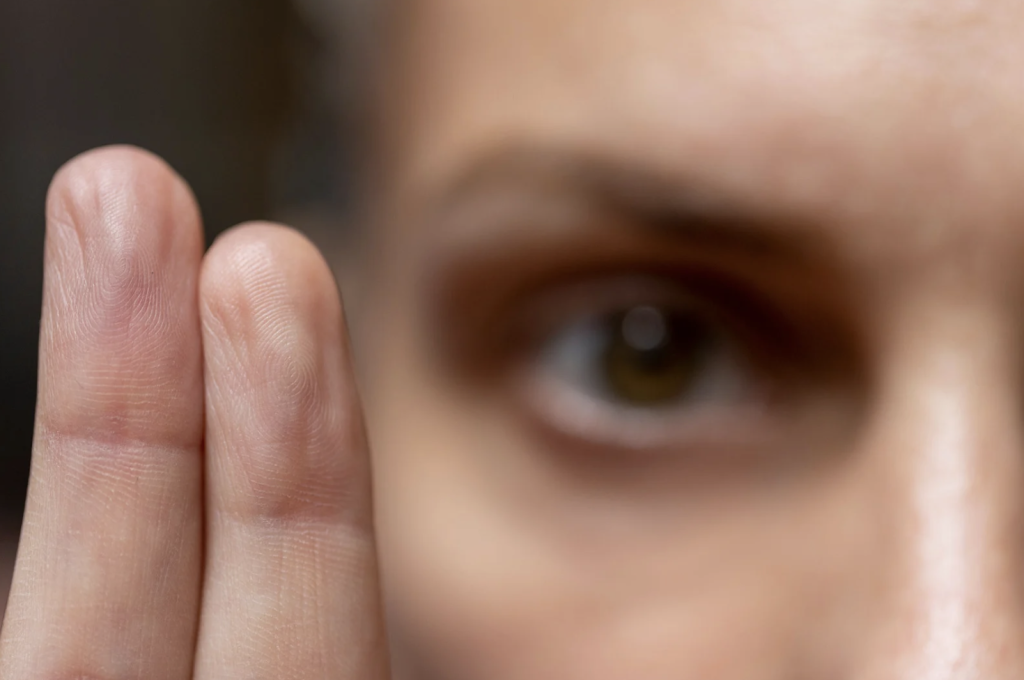
During an ART therapy session, you’re guided through a series of eye movements while you picture a distressing memory or image. These eye movements help your brain reprocess the memory so the emotional charge attached to it fades, and in many cases resolves completely. You still remember what happened. What changes is how much power that memory holds over you.
What Can ART Therapy Treat?
ART therapy is used to treat a wide range of mental health concerns, including:
- Difficult or traumatic life events
- Post-traumatic stress disorder (PTSD)
- Anxiety and panic symptoms
- Depression
- Grief and loss
- Intrusive memories and nightmares
- Phobias
- Work-related stress and burnout
In my practice, I frequently integrate ART with other modalities such as Acceptance and Commitment Therapy (ACT), Cognitive Behavioural Therapy (CBT), mindfulness-based approaches, and solution-focused strategies. This combination allows for a holistic approach that supports both immediate symptom relief and long-term emotional wellbeing. ART provides the foundation for resolving distress at a deep neurological level, while complementary approaches help clients develop skills to maintain balance, resilience, and a greater sense of self-awareness in daily life.
ART Therapy vs EMDR: What’s the Difference?
Accelerated Resolution Therapy and EMDR are both trauma therapies that use bilateral stimulation, but they work differently.
EMDR has you revisit and reprocess the traumatic memory in detail. This can be emotionally intense and often takes multiple sessions to complete.
ART briefly accesses the memory, then uses a specific technique to replace distressing images with neutral or positive ones. This typically makes ART a gentler and faster therapy than EMDR, often producing results in fewer sessions.
What to Expect in an ART Therapy Session
As a licensed ART-trained therapist, I guide clients through this process at their own pace, in a calm and supportive setting. Together, we identify the specific memory, emotion, or experience you want to work through, and I walk you through the ART process step by step. You stay in control the entire time.
I often combine ART therapy with other approaches, including:
- Solution-focused therapy
- Acceptance and Commitment Therapy (ACT)
- Cognitive Behavioral Therapy (CBT)
- Mindfulness-based therapy
This blended approach gives you fast relief from ART alongside practical tools for long-term resilience and emotional wellbeing.
Is ART Therapy Right for Me?
If you are curious about ART or wondering whether it might be right for you, I would be happy to discuss how this approach can support your healing and growth.
Together, we can create a safe space to explore, heal, and move toward the life you want to live.
About the Author
Jade Gammon M.S.W., R.S.W.
Jade specializes in therapy for adults, teens, and couples, integrating CBT, Mindfulness, SFT, Prolonged Exposure (PE), and Accelerated Resolution Therapy (ART) in her practice. With degrees in Women’s Studies & Law and Society, and Social Work from Dalhousie University, Jade offers supportive, non-judgmental care.
Jade’s treatment focuses on depression, relational difficulties, combat trauma, women’s issues, and supporting first responders.