
What is Art Psychotherapy?
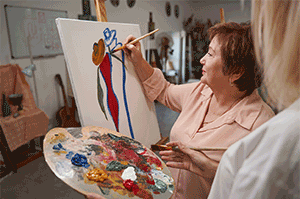
What Is Art Psychotherapy?
A Trauma-Informed Approach to Healing Through Creativity
At its core, art psychotherapy is a form of mental health therapy that blends creative expression with evidence-based psychotherapy. It offers a way to explore emotions and life experiences that can be difficult to put into words, especially when someone has lived through trauma, grief, or long-term stress.
Unlike traditional talk therapy alone, art psychotherapy invites the whole person into the process. With the guidance of a registered art psychotherapist, creative work becomes a doorway to insight, emotional regulation, and meaningful change.
Art psychotherapy is trauma-informed by nature. It respects pacing and choice, allowing people to engage as deeply as they are ready. For many clients, this approach feels less intimidating and more accessible than talking alone, particularly when emotions feel overwhelming or hard to name.
As with other licensed psychotherapists, art psychotherapists are trained in established therapeutic frameworks. These may include cognitive behavioural therapy (CBT), dialectical behaviour therapy (DBT), acceptance and commitment therapy (ACT), narrative therapy, sand tray therapy, and trauma-focused therapy. These approaches are thoughtfully integrated into the creative process rather than applied separately.
How Art Psychotherapy Works in the Brain and Body
When someone engages in art psychotherapy, they are not only thinking, they are experiencing.
This matters, especially for trauma recovery. Trauma often lives beyond language, stored in the body and nervous system. Art psychotherapy allows access to deeper layers of processing by engaging multiple parts of the brain at once. The result is often a shift from over-thinking and intellectualizing into something more grounded, embodied, and honest.
Because the process is active and experiential, many clients describe it as energizing rather than draining. It can create momentum and a sense of movement forward even during difficult emotional work.
Who Can Benefit from Art Psychotherapy?
Art psychotherapy is for people of all ages — children, teens, and adults — and no artistic background is needed. You don’t have to know how to draw, paint, or make anything “look right.” In art therapy, the focus is never on talent or technique. What matters is what shows up through the process and what it reveals about your inner world.
Each session is shaped around the individual. Age, ability, culture, identity, lived experience, and personal goals are all honoured. Art psychotherapy can be especially supportive for people navigating anxiety, depression, trauma, PTSD, grief, ADHD, autism, eating challenges, addiction recovery, chronic illness, sensory processing differences, or major life changes connected to identity or relationships.

Many clients come to art psychotherapy because talking alone hasn’t been enough. Sometimes emotions feel tangled, overwhelming, or difficult to name. Creating images can offer another way in — one that feels safer, slower, and more intuitive.
If any of this resonates with you, you’re not alone. Support is available, and healing does not require having all the right words. Contact us anytime.
The Benefits of Art Psychotherapy
Art psychotherapy offers a different doorway into emotional healing. Images can surface memories, sensations, and feelings that may stay hidden in traditional talk therapy. Through the creative process, patterns often emerge naturally — not because they are forced, but because the body and mind are finally given space to speak in their own language.
A common concern people have is whether their artwork will be interpreted or analyzed. In art psychotherapy, meaning is never imposed. Instead, understanding unfolds through gentle reflection and conversation. We explore what stands out to you, what the process felt like, and what feels important now. Insight grows collaboratively, at your pace.
Over time, many people also develop creative coping tools they can use outside of sessions. These tools can be especially grounding during moments of emotional overload, shutdown, or stress. Art psychotherapy supports both immediate regulation and long-term emotional resilience, helping clients feel more connected to themselves in everyday life.
How My Background Shapes My Work as an Art Psychotherapist
Before becoming an art psychotherapist, my work spanned many roles — including primary school teaching, developmental support, personal care, medical foster care, lifeguarding, and years of travel and living abroad. I’ve experienced different cultures, belief systems, and ways of understanding healing and wellness.
These experiences shape how I meet people in the therapy space. I bring curiosity rather than judgment, and I respect that healing looks different for everyone. Growth is rarely linear, and progress doesn’t follow a single path.
My approach is inclusive, client-centred, and grounded in deep respect for each person’s story. Therapy is not about fixing who you are. It’s about understanding yourself more fully and creating space for change that feels authentic and sustainable.
Art Psychotherapy in Trenton, Ontario
I offer art psychotherapy in Trenton, Ontario, in a studio designed to feel calm, safe, and welcoming. Whether you are seeking support for anxiety, trauma recovery, emotional regulation, or personal growth, art therapy can be a meaningful part of your healing journey.
With the right support, therapy can become a place where you feel seen, supported, and empowered — not rushed or judged. If you’re looking for an art therapist in Trenton or the surrounding area, you’re welcome to explore our team at Gowthorpe Therapists and find a therapist who feels like the right fit for you.
Healing is possible, and you don’t have to walk through it alone.
About the author
Lee Kellogg
RP(Qualifying), DTATI (Cand), OCT, PGCE, BA
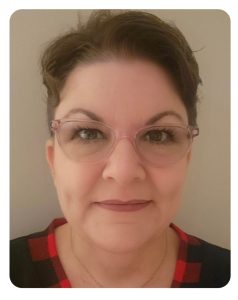
Lee is a Qualifying Art Psychotherapist with six years of experience practicing art psychotherapy and will be graduating in the new year. Throughout her career, Lee has worn many hats—including personal support worker, developmental service worker, child and youth worker, and medical foster parent—giving her extensive experience supporting individuals with special needs as young as four years old. Lee emphasizes that no artistic experience is required to benefit from art psychotherapy—only an open mind and a willingness to engage creatively. Because she is client-centred, sessions may involve traditional talk therapy, art psychotherapy, sand tray therapy, or a combination of these approaches, depending on each client’s needs and preferences.
Her bright, inviting studio provides a safe space for self-expression, discovery, and healing—encouraging every person to explore their growth through creativity.